Type: Self-directed audit unsolicited, no client relationship, no NDA access.
Role: Sole researcher, analyst, and designer
Method: Live flow walkthrough, regulatory mapping, public complaint analysis
Audit date: 7th February 2026]
Time invested: 4.5 hrs
Market audited: India checkout, rupee pricing
Overview
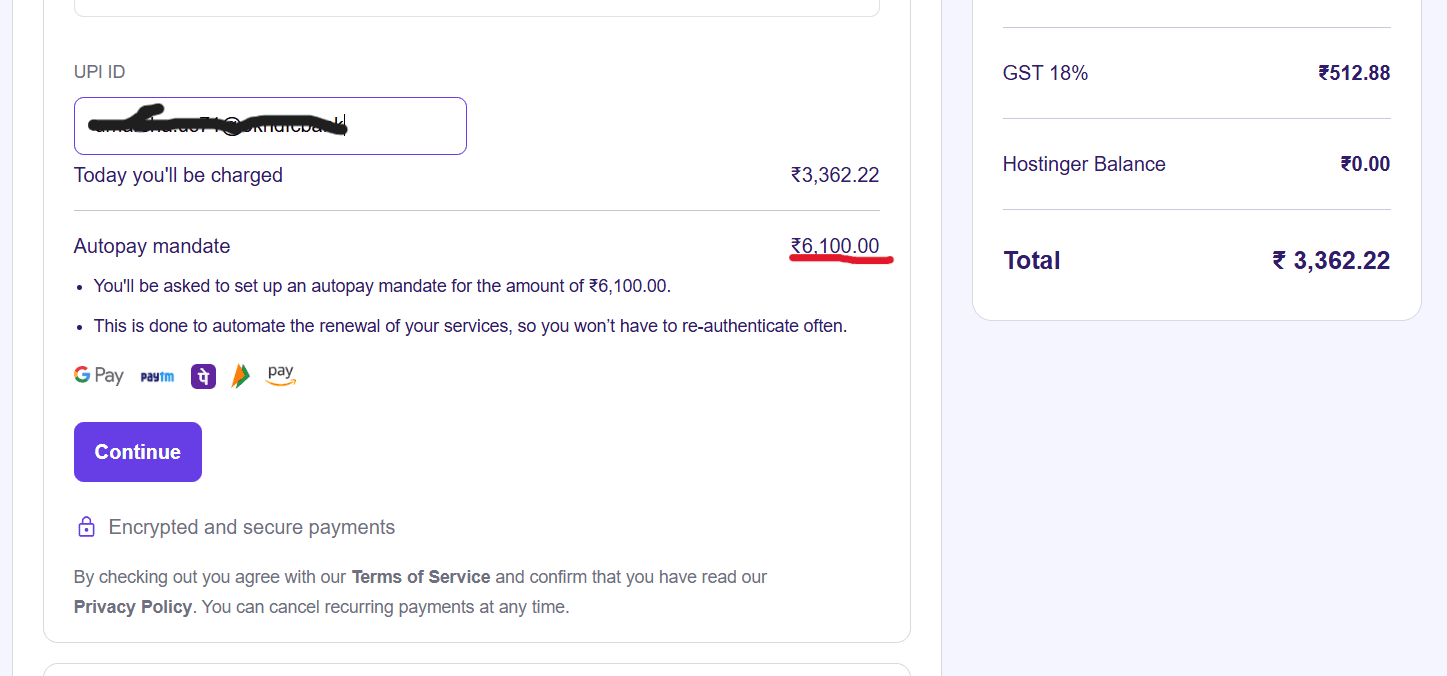
Hostinger's checkout enrols first-time buyers into automatic renewal in a way that, on my reading, does not meet the affirmative-consent standard set out in India's Guidelines for Prevention and Regulation of Dark Patterns, 2023. This is not a taste argument about a checkbox. Since 30 November 2023 these Guidelines have been enforceable against foreign platforms serving Indian consumers, and the CCPA has moved from advisory to active enforcement.
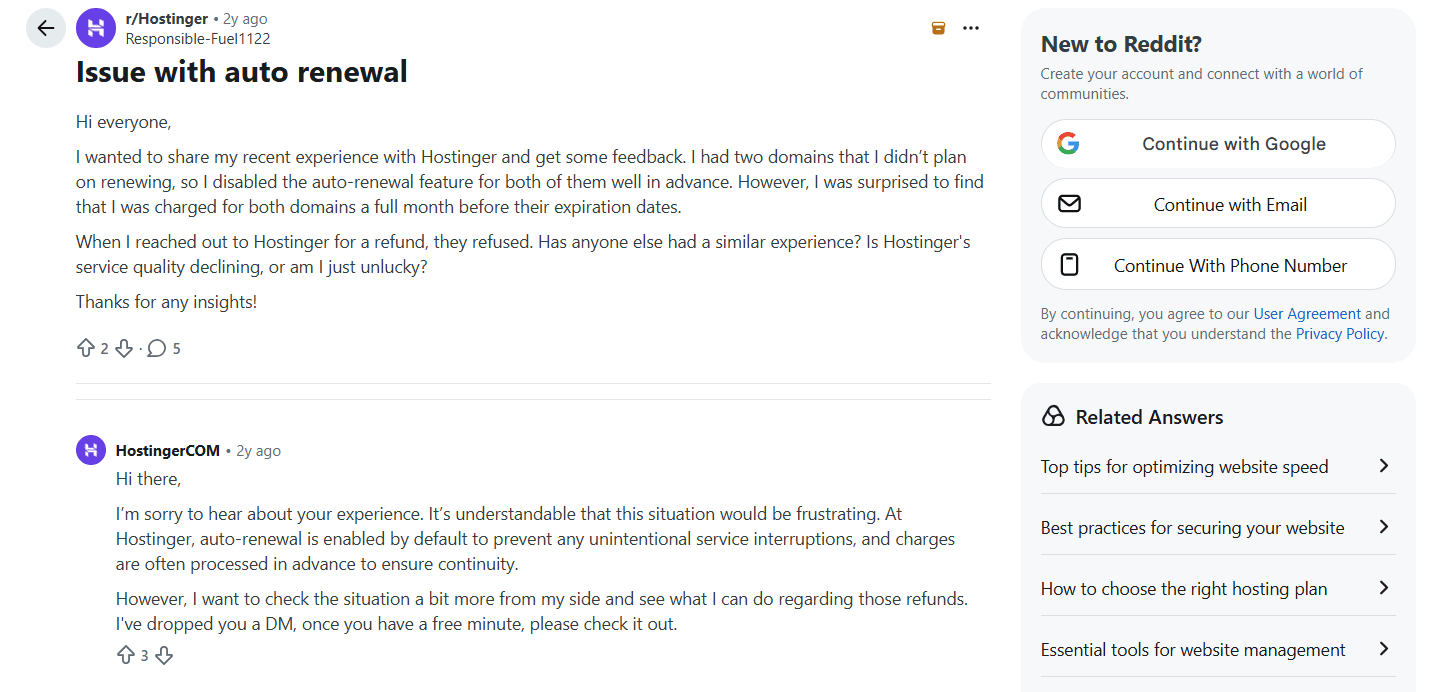
A user who didn't want to sign up for autopay in the first place, will likely feel like looking into alternatives like Godaddy, BlueHost, etc.
What does this mean for Hostinger?
While dark patterns are often used to boost short-term metrics, they significantly increase churn rate over the long term. Although these deceptive designs can temporarily lower churn by making it physically difficult to cancel (a "Roach Motel"), the resulting erosion of trust typically leads to permanent customer loss once the user successfully exits.
A Dark pattern can have many negative consequences.
The Discovery Backlash: Once a user identifies a dark pattern—such as hidden costs or forced continuity—their "punitive intent" spikes. They don’t just leave; they actively avoid the brand in the future.
Competitor Migration: Users trapped by manipulative UX act as "latent churn." They are effectively waiting for a transparent competitor to enter the market so they can switch immediately.
Erosion of Trust: Over 56% of users report losing faith in a brand after encountering manipulative design, making trust the primary casualty.
Financial Resentment: Trickery involving unplanned charges or difficult-to-cancel subscriptions transforms a customer from a brand advocate into a brand detractor.
Negative Social Proof: Users who churn due to dark patterns are more likely to leave negative reviews, which increases the Customer Acquisition Cost (CAC) for new users.
Regulatory Spikes: New laws (like the EU's DSA) often force companies to simplify their exit flows. Brands that rely on dark patterns see a sudden, massive spike in churn when "one-click" cancellation becomes legally required.
Brand Devaluation: High churn rates combined with negative sentiment damage the long-term Lifetime Value (LTV) of the customer base, as users refuse to return or upgrade.
Solution
The simple fix that can help push auto-pay but also help the user opt-out can help fix this issue.
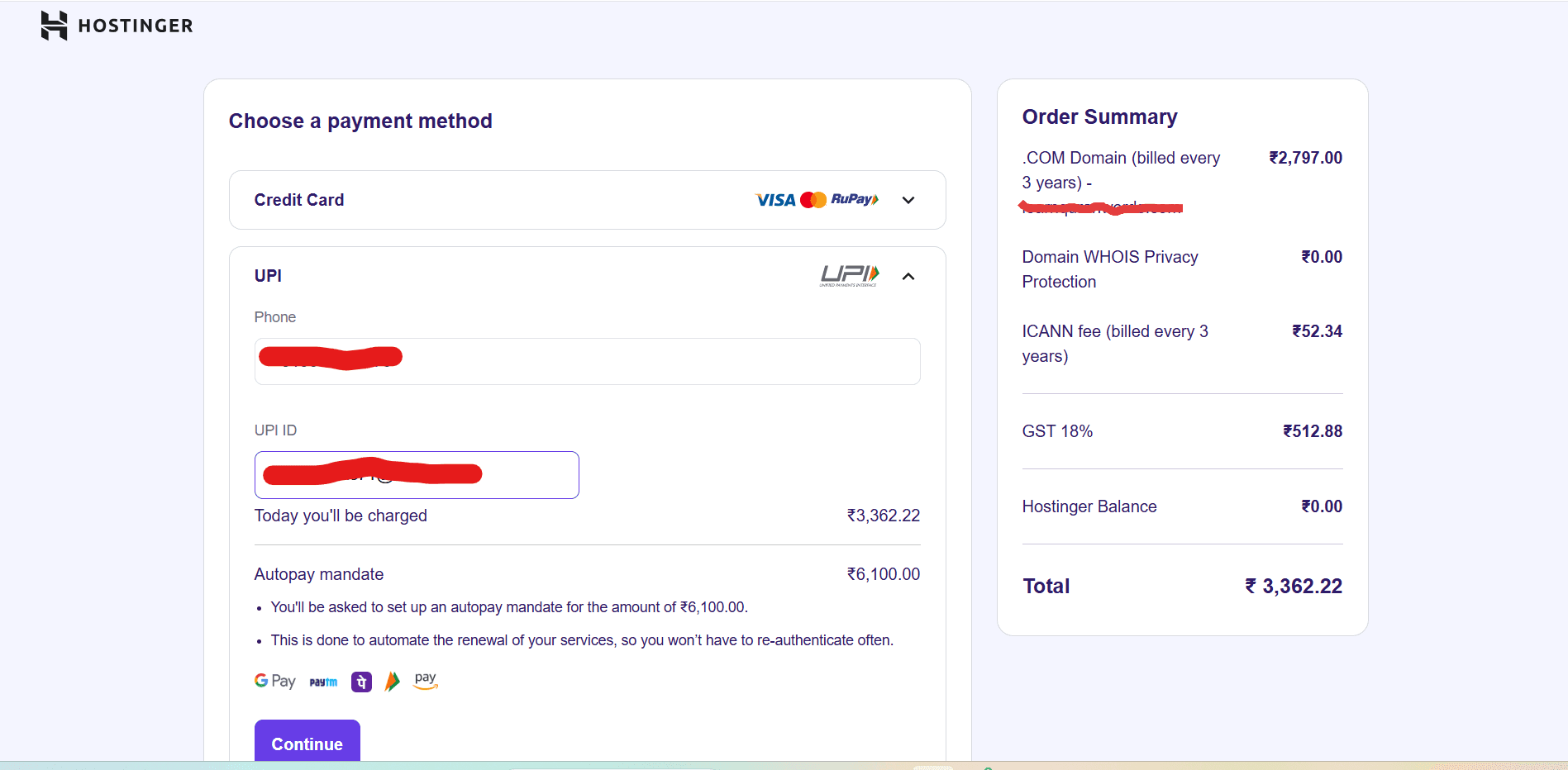
Current Checkout experience
Proposed solution
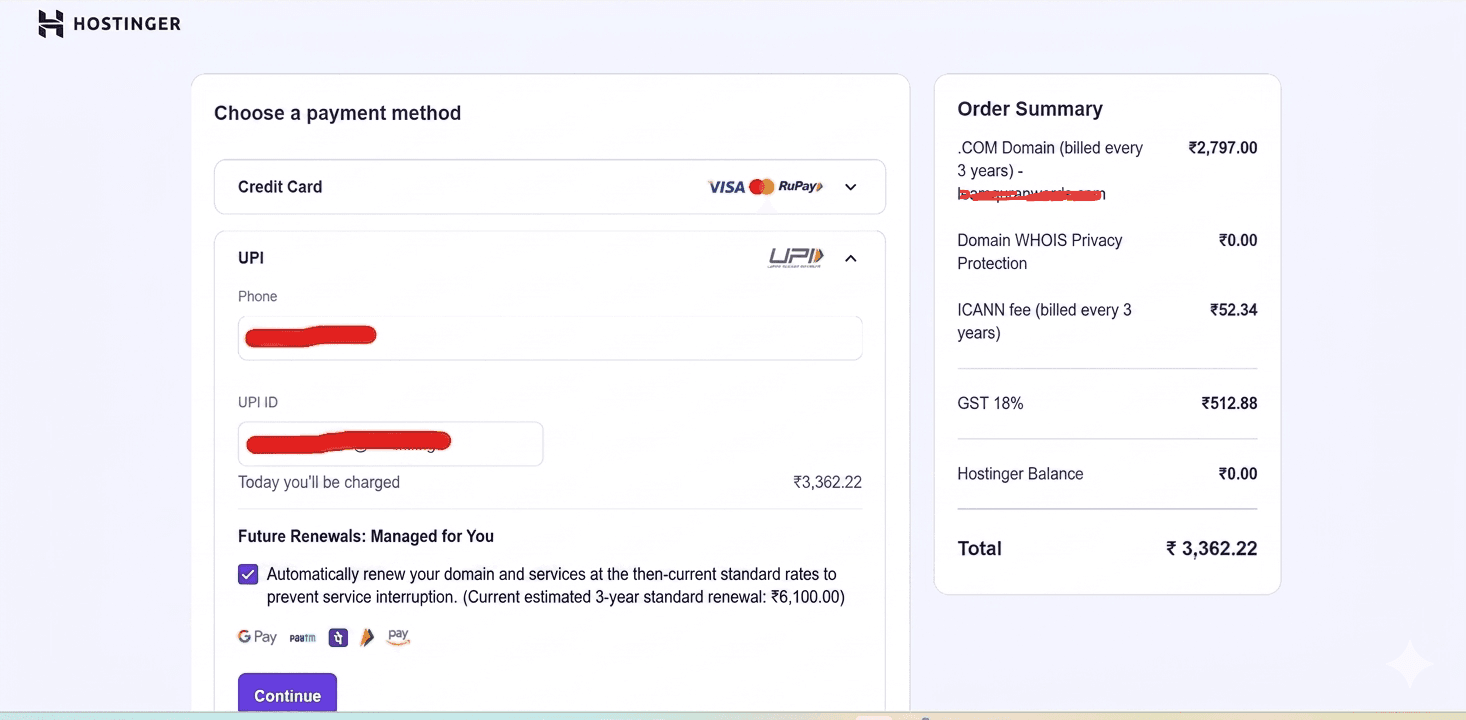
Having an opt-in, instead of an opt-out option could impact revenue. This approach helps both the business and the user.
Conclusion
This solution has a very similar potential of convincing the user to avail the autopay feature ( Like how it is now Live ) while also letting the user to opt-out if needed. This keeps the flow aligned with the user's best interest as users who actually do not want to face service interruption would stay opted-in.